This is default featured slide 1 title

Go to Blogger edit html and find these sentences.Now replace these sentences with your own descriptions.This theme is Bloggerized by Lasantha Bandara - Premiumbloggertemplates.com.

This is default featured slide 2 title

Go to Blogger edit html and find these sentences.Now replace these sentences with your own descriptions.This theme is Bloggerized by Lasantha Bandara - Premiumbloggertemplates.com.

This is default featured slide 3 title

Go to Blogger edit html and find these sentences.Now replace these sentences with your own descriptions.This theme is Bloggerized by Lasantha Bandara - Premiumbloggertemplates.com.

This is default featured slide 4 title

Go to Blogger edit html and find these sentences.Now replace these sentences with your own descriptions.This theme is Bloggerized by Lasantha Bandara - Premiumbloggertemplates.com.

This is default featured slide 5 title

Go to Blogger edit html and find these sentences.Now replace these sentences with your own descriptions.This theme is Bloggerized by Lasantha Bandara - Premiumbloggertemplates.com.

Friday, November 15, 2019

Quote Of The Day.


#Quoteoftheday 

"IF OUR DOG DOESN'T LIKE YOU, WE PROBABLY WON'T EITHER"

Quote of the day


"No matter how little money and how few possessions

Thursday, November 14, 2019

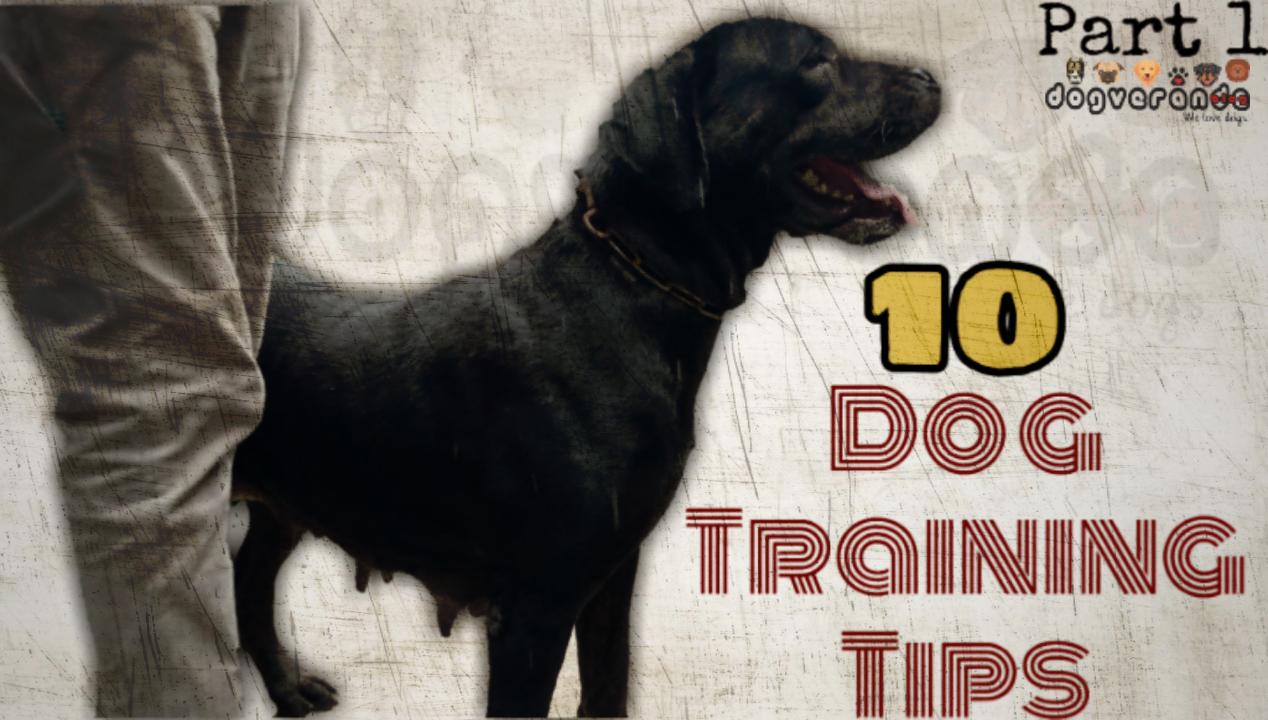
Dog Training Tips - Part One


Here are 10 dog training tips every dog owner ought to know.


1. EARLIER TRAINING. 
Immediately you get a dog, you should begin training in some capacity. It may take some time to catch up if you should start training late. The key to remember is that training is often nothing more than reversing bad habits and behaviors. If you have a young dog, they haven’t had a chance to develop a significant number of these bad behaviors then training will be much easier. If you have an older dog, you really have to unteach, everything the dog knows about behavior and start to reteach behaviors that you want.


2. FOCUS ON WHAT YOUR DOG IS DOING RIGHT. 
Professional dog trainers advice their students to reward their dogs when they do something right. This “positive training” method is in contrast to training that centers on punishment. Dog owners should praise and reward their dogs with treats, new toys or affection for good behavior instead of just scolding them for bad behavior.
 

3. BE PROACTIVE, KEEP YOUR DOG FROM
BEHAVING BADLY IN THE FIRST PLACE.
One of the most important tips that a professional dog trainer will tell his or her students is that good behavior is not just the responsibility of the dog. The owner must make every effort to avoid giving the dog the ability to engage in bad behavior while they are still learning the ropes. For example, if you notice that your dog likes to chew, it’s important to make sure that everyone in the home puts their shoes behind closed closet doors to remove temptation.
 

4. STOP SAYING NO!
One of the biggest mistakes that people make when training their dogs is saying NO without giving the dog an explanation of some type. Dogs, much like children, will become confused with a simple command of NO! Here’s what you should do instead. If your dog is stealing the cat’s food, tell him NO and then gently guide him to his own food dish. Or, if your dog is chewing on a table leg tell him NO and give him rawhide or another toy on which he can chew. Once your dog begins to actually use the new behavior, reward him with treats, toys and praise.

5. BE KIND AND GENTLE FOR BEST RESULTS. 
If you're a dog owner who constantly punishes his or her dog for bad behaviors is bound to be a lot less successful than an owner who is gentle and kind, rewarding his or her dog for acceptable behaviors. Consider offering your dog plenty of praise, and be gentle when redirecting his attention from a bad behavior to one that is more acceptable to you.

6. USE THE ONE COMMAND RULE. 
Only give your dog each command at a time. If you want your dog to come, tell him COME! if you want him to sit, just say SIT! If your dog decides to ignore the command the first time, gently place him into the sit position and then praise him or give him a treat. Do this with every command, so that your dog doesn’t think that your commands are optional. Stick to the one command rule, and your dog will quickly learn to take your commands seriously.

7. ALWAYS ENFORCE YOUR COMMANDS.
If you give commands, but do not enforce them, your dog will learn that there is no reason to listen to you. On the other hand, if you back up your commands with reinforcement he will quickly learn that you mean business. For example, if you tell your dog to sit and he ignores you, gently push him into the desired position and praise him. Always praise good behavior as a means of enforcing your commands.

8. CLEARLY DEFINE YOUR COMMANDS. 
If you expect your dog to follow commands, then it is imperative that he understands what it is that you want him to do. For example, if you are trying to teach him to sit you will only confuse him if one time you use the command SIT and the next time SIT DOWN. If he’s confused he’ll most likely just ignore you. And this can lead to a vicious cycle. So, pay attention to the commands you are teaching and don’t confuse your dog by being inconsistent.
 
9. TEACH YOUR DOG TO READ YOUR TONE. Tone is just as important as the actual command that you are giving. Therefore, try to always use a consistent tone when issuing a command. Yelling a command will be less effective than just using a firm and authoritative tone. Pick a tone, and stick with it. Your dog will begin to recognize that tone, and respond to what you are telling him more effectively.

10.  ANALYZE STUBBORNNESS.
If you find that your dog is stubborn and does not want to listen to your commands, there may be a simple explanation. Look for signs to see whether you are giving commands that your dog understands, whether your dog knows what to do when they hear a certain command and whether the command is creating an uncomfortable feeling in your dog. Most likely, you need to simply repeat training for a specific command and make your dog feel more comfortable through rewards and praise.


Stay connected, on our next Dog training tips article...

Quote Of The Day


"I DON’T ALWAYS BARK AT NIGHT. BUT WHEN I DO, IT’S FOR NO REASON."


Wednesday, September 18, 2019

4 Tips To Make Your Dog Grow Big/Muscles


Do you look at your dog and see the breed potential going to waste?
Every dog lover/owner love to see his/her dog grow big i mean very big not minding what breed it is. A friend asked me sometime ago bro, can my German shepherd grow as big as a Caucasian? Hell no! It can't German shepherds are actually medium breed dogs and can grow from 60–65 cm (24–26 in), Caucasians are Large breed dogs can grow from
72–90 cm (28–35 in) so the difference is clear. 

So many dog owners see some insanely muscular dogs on the internet and dream of making their own dogs look the same not knowing the Secrets behide those muscular bodies. I wish to say to many of you that want your dogs to become very big to consider many other factors that might hinder your expectations like the genetic makeup of your pets and their breeds. You need to know the standard size of the dog you own before you buy. So many buy mixed breeds with unpredictable growth pattern and start to expect massive growth.

Here are Four(4) tips I've listed out that could help make your dog grow big/muscles.


  1. A GOOD DOG FOOD DIET.

The first potential culprit is a poor-quality dog food.

Inferior dog foods will hold your dog’s development back, so make sure the dog food you choose is loaded with protein, natural meats, and healthy ingredients.

Avoid ingredients like corn-based byproducts and unnamed meats, as they add little nutritional value. Whole meats are always better than “parts” or byproducts.

A nutritious, balanced diet is essential to keeping your dog healthy. Learn what you should be feeding your dog at every stage of its life.


    2. DOG SUPPLEMENTS


(Recommendation not an advert)


Most provided dog food doesn't have all the nutrients dogs need to grow/develop muscle.

If you feel or you're worried that your dog isn’t getting adequate nutrition, look for a product designed to supplement vitamins, proteins, amino acids, and minerals that your dog may lack.

These supplements should be based on real nutrient facts that are clearly stated on the label.

If you need your dog to be muscular Bully max is a go ahead, it has all the benefits of full label disclosure.


   3. REGULAR DALIY EXERCISE

Oh yeah! A regular daily exercise, without physical activity, your dog will become bored, frustrated, unhealthy, loss weight and may have destructive behavior.
But before you begin a dog exercise program, i would advice you visit your veterinarian for a health check. Your vet can recommend an exercise plan that is appropriate for your dog's age, breed and condition. Exercise needs are based on a dog’s age, breed, size and overall health. However, it is generally recommended dogs spend between 30 minutes to two hours being active every day—and not just on the weekends.


   4.   DEWORM YOUR PET

Worms cause many dog health problems can even delay a dogs growth if not treated. They steal much-needed nutrients and can lead to conditions including: intestinal problems like diarrhoea
anaemia, skin issues, and may lead to death. Deworming your dog is very important and you shouldn't joke about it.

Monday, September 02, 2019

Justice For Rex: Sign The Petition Today


On the evening of Sunday, July14th  This Lovely Pitpull(Rex) was attacked by a Golden doodle and shihtzu, and murdered by a hateful Neighbor for being a bully. Dog was on a leash, walking peacefully with owners on a potty break. 

Rex's owners needs you stand and fight for the Justice of Rex. The fight is still on...


Photos of Rex 


 Please support the breed and sign their petition to help prosecute the hater. Please like their page.
It could happen to any of us. Such a disgrace, this poor sweet dog...
😭😭😭😭

Facebook: JUSTICEFORREX

Sign the petition: Change.org

Hash tag: Justiceforrex


As a Dog lover I have also Signed the Petition too. "Just must be served!!!"


Tuesday, August 27, 2019

Common Causes of Sudden Death in Dogs


Losing a dog is never easy, no matter the circumstances. But losing one suddenly to an accident or serious medical event can be baffling, shocking, and terrifying.

These are the most common causes of sudden death in dogs, so you can be aware and do what you can to avoid them affecting your canine companion.

  • GDV: BLOAT

GDV, which stands for gastric dilatation and volvulus, is a condition in which a dog's stomach becomes inflated with gas, then twists on itself. The result is death of the blood vessels in the stomach, further inflation of the stomach, decreased blood flow to the rest of the body, shock, and death.

Large, deep-chested dogs over 5 years old are at highest risk for developing GDV. Feeding dogs multiple small meals a day, avoiding stressful situations as much as possible, not allowing your dog to exercise immediately before or after eating, and using an anti-bloat bowl can all decrease a dog's risk.

Talk with your veterinarian to determine whether your dog is at higher risk for developing GDV. 


  • TOXIN INGESTION

Ingesting toxins is another common cause of sudden death in dogs. This can include chemicals, medications, and human foods.


It's extremely important to be aware of and restrict your dog's access to things that are toxic. This includes human foods like chocolate, alcohol, and grapes. More sneaky substances like xylitol can be present in human foods, causing them to be extremely dangerous to dogs when they otherwise wouldn't be.


  • HEART PROBLEMS

Heart conditions are the biggest cause of sudden death in dogs. Blood clots, abnormal heart rhythms, cardiomyopathy can all cause sudden death.

It's important to have your dog checked by a veterinarian routinely, even if there are no signs of illness. If the veterinarian hears a heart murmur or arrhythmia, further testing may diagnose a heart problem that may be able to be treated. Not all heart conditions can be caught this way, but some can.


  • INTERNAL BLEEDING

Sudden death can happen quickly in cases of internal bleeding. This may be triggered by trauma such as being hit by a car. Internal tumors that begin bleeding, such as hemangiosarcoma, can cause death quickly without the owner being aware that anything is wrong.


Source: Doghealth.com