Pet Grooming at Golden's Care Center

Bathing, brushing, trimming and loving care. Tap to book on WhatsApp. Chat on WhatsApp →

Before Grooming – The Starting Point

Every makeover begins with gentle handling and proper coat care. Chat with us on WhatsApp. Chat on WhatsApp →

After Grooming – Fresh, Clean & Fluffy

See the transformation! Book your dog's grooming appointment on WhatsApp. Chat on WhatsApp →

Boarding • Daycare • Grooming & More

A caring home away from home for your dog in Port Harcourt. Contact us on WhatsApp. Chat on WhatsApp →

We Pick Up & Drop Off Your Dogs

Convenient, safe and reliable pet transport. Arrange your dog's pickup on WhatsApp. Chat on WhatsApp →

Showing posts with label Article. Show all posts

Friday, December 04, 2020

How to Get Rid of Fleas: Detection and Prevention - Cesar's way.


Although fleas can be a problem for your pets all year, flea populations typically explode about five to six weeks after the weather starts to warm up. So pay special attention to flea prevention in the spring and early summer months and make sure you know how to get rid of fleas.

Spotting the Culprits

Black specks on your dog or in your dog’s bed may be “flea dirt” – the fecal matter from adult fleas. There are two easy ways to check for black specks:

  • Run a flea comb over your dog, making sure the comb reaches the skin through the coat. If black specks are on the comb when you pull it off, they might be flea dirt. If fleas are on the comb, drown them in a bowl of soapy water before they can get away or jump back on your dog. You can get a flea comb from your vet or pet retailer. Metal ones are the best.
  • Or place a white paper towel beneath your pet and rub your hands across its fur. If black specks appear on the towel, it may be flea dirt.

If infested with fleas, your dog may become very nervous, annoyed and may scratch excessively. When you discover fleas on your dog, your home is probably already part of the problem. There will be eggs, larvae, and pupae wherever your dogs like to lie around or sit. It’s time to take action!

There are four parts to the treatment of a flea infestation:

  1. Kill adult fleas that are already on your dog.
  2. Kill newly-arriving adult fleas on your dog. It may take three or flour months to kill all the new adult fleas emerging from pupae in the household environment.
  3. Prevent further infestation of the home by using an insect growth regulator (IGR) to inhibit the hatching of viable flea eggs and prevent the development of larvae into adult fleas.
  4. Clear the home and the environment of flea eggs, larvae, and pupae that are already present.

You can achieve the first three by treating your pet regularly with a product that contains two active ingredients (one to kill adult fleas, the other to prevent the development of eggs and larvae.) Ask your veterinarian for the appropriate recommendation for your dog.

Flea pupae are protected by their cocoons – all pupae will have to hatch out and be killed as adult fleas on the pet. It can take several weeks for all pupae to hatch in an infested environment. If undisturbed, pupae can exist for many months in the environment, which is why encouraging them to hatch (by allowing your pets to roam their usual haunts) and regular flea treatment are important in helping to rid a home of an infestation.

Be sure to treat all dogs and cats in your home, using appropriate treatments recommend by your vet. Some pets are good at masking the signs of a flea infestation. But if one pet is infested, all pets in the household can be. This is why knowing how to get rid of fleas ahead of time can prove to be very beneficial.

Preventing Future Infestations

In addition to applying a vet-recommended flea prevention product, the following steps can also help prevent fleas from infesting your dog:

  • Frequently vacuum the areas your dog frequents, especially carpeted areas in your home, any furniture that is frequented by your dog, and your car (if your pet rides in your car). This will clean up as many immature fleas (eggs, larvae and pupae) as possible.
  • Regularly wash your pet’s bedding, blanket and other washable items in the hottest water possible (check the laundering instructions to make sure that washing in hot water won’t harm the item).
  • Keep your yard neat. Mow your lawn and rake up any leaves, brush or clippings.
  • Periodically hang door mats, rugs and other non-washable items in direct sunlight.

It’s Worth the Effort

In addition to extreme discomfort, fleas and ticks can also cause serious health problems in dogs and people.

  • When a flea bites your dog, it deposits a small amount of saliva in the skin. Your dog can develop Flea Allergy Dermatitis (FAD) in reaction to this saliva, which causes severe itching. In addition to your pet scratching or biting excessively around the tail, groin or backside, scabs or bumps may also appear on your pet’s neck or back.
  • Anemia may occur in pets if too many fleas suck their blood. The signs of anemia include pale gums, weakness and lethargy in your pet.
  • Dogs may become infected with tapeworms by ingesting an infected flea. Pets may have intense anal itching, and tapeworm segments may be seen around the anal area or in the feces

Wednesday, December 02, 2020

Cops Rescue Two Scared Pit Bulls From The Street And Refuse To Leave Them Alone Until Help Arrives

Driving home in the cold at 4.30 in the morning, we imagine that Patrick Hennesy wanted nothing more than to get home and warm-up in bed as soon as possible.

But when he spotted two terrified pups in need of help, he didn’t hesitate to stop and help.

Two pit bulls were cuddled up together by the side of the road, and Hennesy quickly realized that they were injured and in need of help.

Orange County Sheriff’s office

The man immediately called the Orange County Sheriff’s Office, and soon, two police officers arrived at the scene. The scared and hurt pups were whining softly and there was blood splattered across the ground.

Patrick Hennesy

When the officers approached the strays, both pups licked and rubbed up against them as if to thank them.

It was as if they knew that the officers were there to help.

The officers soon discovered the origins of the blood splatter on the ground; one of the strays was bleeding profusely.

The officers deduced that the stray must have been struck by a car, and then they quickly did what they could to stop the bleeding.

Orange County Sheriff’s office

While one officer applied gauze and pressure to the strays wound, the other contacted Orange County Animal Services, who asked the officers to stay with the pups until they could come and take over.

The officers hugged the cold and shivering pups to warm them up, and did everything they could to comfort them while they waited for help to arrive.

Though they were both cold and tired, there was no way they’d abandoned the two pups in need.

Finally, animal services arrived at the scene and brought them into care.

Thanks to the patience and kindness of the police officers, the two pups had grown less scared, and once they were brought to the shelter, both pit bulls were nothing but happy, loving, and grateful.

The two pups were named Liberty and Justice, and have already brought so much joy and happiness to the shelter staff, who hope that the adorable pair will find their perfect forever family very soon.

The officers who kept them both safe and secure got to come and visit them after they’d settled in at the shelter, and we’re overjoyed to find that both Liberty and Justice now seems like the happiest pups in the world.


Source: https://zenoonee.com/2020/11/29/cops-rescue-two-scared-pit-bulls-from-the-street-and-refuse-to-leave-them-alone-until-help-arrives/

Ten Tips for Taking Care of Your Dog


Here are 10 Tips for Taking Care of your Canine companion. 


1. PROVIDE A PROTECTED AND CLEAN LIVING ENVIRONMENT FOR YOUR DOG. 


Shelter from the elements and hazards, as well as good hygiene, are basic to a quality life.       


2. ALWAYS KEEP FRESH WATER AVAILABLE. 


Maintaining optimal hydration is important for health and energy.


3. FEED A QUALITY DIET AND PREVENT OBESITY. 


Overweight humans and animals can adversely affect health in many ways. Follow the dietary recommendations that your veterinarian will make according to the nutritional needs of your dog, based on size, age, level of activity and breed. Remember to provide healthy treats rather than table scraps, as rewards.


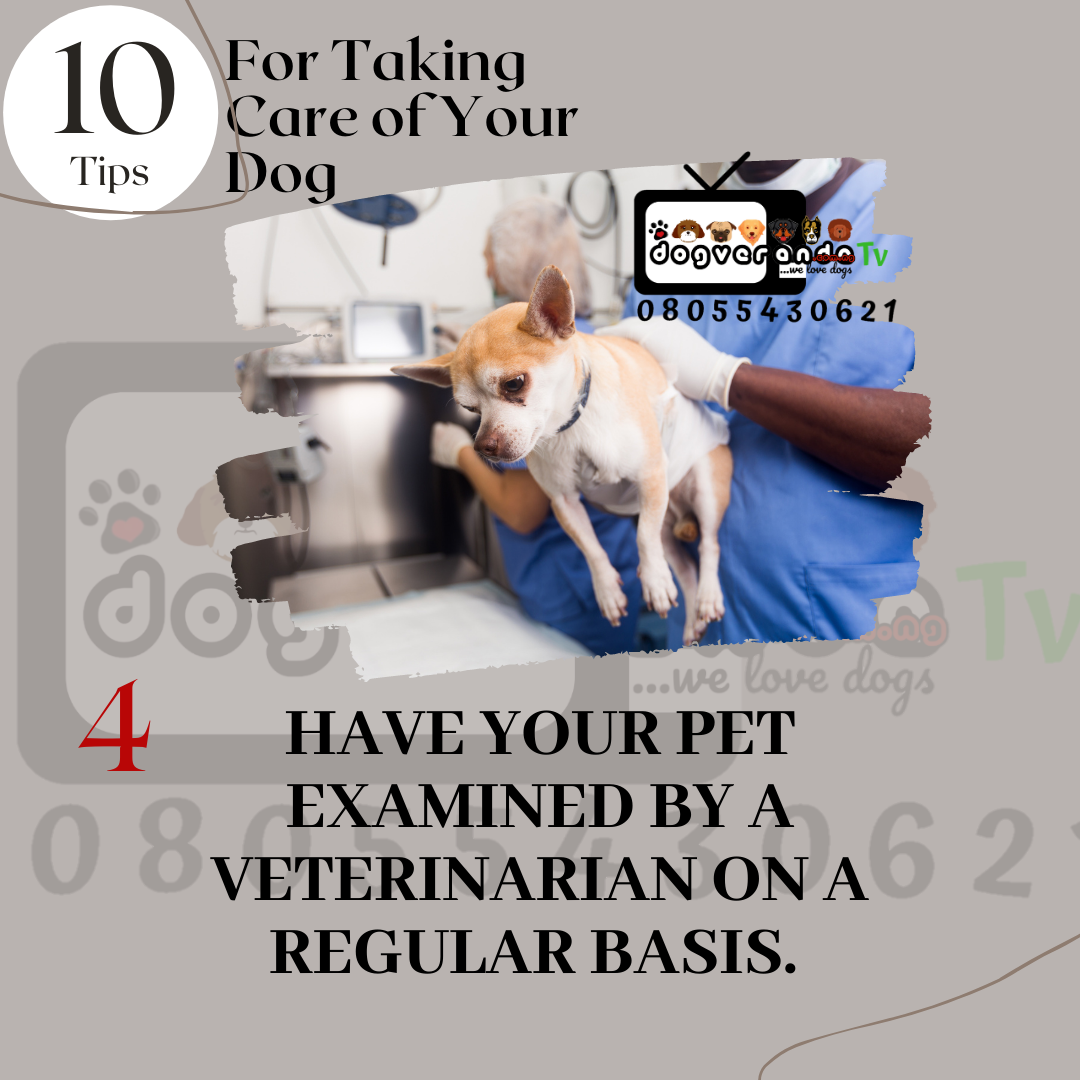
4. HAVE YOUR PET EXAMINED BY A VETERINARIAN ON A REGULAR BASIS.


Your veterinarian will provide you with the information on vaccination schedules, deworming and external parasite control. Keep a copy of your pet’s vaccination records in your home or with you when you travel. Contact your veterinarian if you believe that your pet may be ill, injured, or if something just doesn’t seem right. Your veterinarian is the expert on keeping your dog healthy.  Work as a team with him or her.


5. PROVIDE AMPLE OPPORTUNITIES TO EXERCISE. 


Make sure your dog gets the regular exercise needed to enable it to be fit.  By being in shape, your dog will be more capable of participating in the activities that it enjoys.


6. COMMUNICATE WITH YOUR DOG AND DEVELOP A RELATIONSHIP. 


Dogs are social creatures and they need to interact with their owner. Quality time will help you get to know your dog and understand  particular needs that it might have, as well enhance your ability to recognize early signs of an illness that could be developing. In addition, time spent in developing a relationship will help prevent many undesirable behavioral patterns. 


7. TRAIN YOUR DOG TO FOLLOW THE SIMPLE COMMANDS. 


Puppy and dog training classes can be very helpful. The better your dog is at following basic and necessary commands, the greater the chances are that your dog will live a safe and long life.


8. PRACTICE REPRODUCTIVE CONTROL.


If you do not intend to create puppies, spaying or neutering is a certain option. If you plan to breed your dog or are opposed to spaying and neutering for other reasons, take appropriate measures to prevent mismatings. Consult with your veterinarian in regard to other options that are available.


9. DENTAL CARE IS VERY IMPORTANT. 


Many breeds are prone to gum disease, which can have serious implications. Infection resulting from this condition leads to premature tooth loss, and can commonly cause infections in major organs, including the heart valves.    


10. DON’T OVERLOOK GROOMING AND NAIL TRIMMING. 


Long coated dogs are prone to developing matts and ice balls in their hair. Overgrown nails are common in elderly dogs and can make it more difficult for them to walk. In addition, such nails are much more prone to breaking, which can be quite painful.     


IN CONCLUSION, KNOWLEDGE IS POWER. READ UP AND LEARN AS MUCH AS POSSIBLE ABOUT YOUR DOG’S BREED SPECIFICALLY, AND ABOUT RAISING, TRAINING AND LIVING WITH DOGS, IN GENERAL. THE MORE YOU KNOW, THE MORE CONFIDENT YOU’LL BE IN PROVIDING A SAFE AND ENJOYABLE HOME FOR YOUR DOG. 

By Dr. Stuart Nelson, Jr., DVM
(Chief Veterinarian, Iditarod)

Tuesday, August 11, 2020

7 Most Important Questions To Ask When Buying A Dog.


1. HOW OLD ARE THE PUPPIES?

This is a very important question that you must ask. When buying a puppy we advise the dog's age is between 4-12 weeks old. If they are any younger than 4 weeks, the breeder shouldn’t be accepting visits from prospective buyers and if they are any older than 12 weeks, it may suggest something is wrong with the puppies.

2. CAN I SEE THE PUPPY'S BOTH PARENTS?

You won’t always be able to visit the puppy with its dad but it is essential that you see it with its mum. You want to assess the temperament of the mum and the puppy and how they interact with each other. Is she aggressive or caring? Is the puppy hyperactive or docile? These answers will help you decide whether this is the right puppy for your family. 

3. HAVE VACCINES BEEN ADMINISTERED TO THE PUPPIES? 

How many shots have the puppies received and when are they due for their next round of shots?

4. HAVE THE PUPPIES BEEN DEWORMED? 

All puppies are born with worms and routine deworming is recommended.

5. HAVE ANY OF THE PUPPIES IN THE LITTER BEEN SICK?

If so, what were the signs, the diagnosis, and treatment measures?

6. WHAT'S THE FULL LITTER? 

The average litter will be between five and six puppies. By handling a few fluff-balls, you will be able to see whether they are all of similar size, character and health. You can also see how they interact with other dogs and you.

7. WHAT ARE YOU CURRENTLY FEEDING THE PUPPIES ?

Regardless of what they are feeding, it is ideal to continue feeding the same food for the first few days at home to minimize the risk of gastrointestinal disturbances. If you choose to change a puppy’s diet, do it gradually.


Please make the comment box useful.😊

Thursday, November 14, 2019

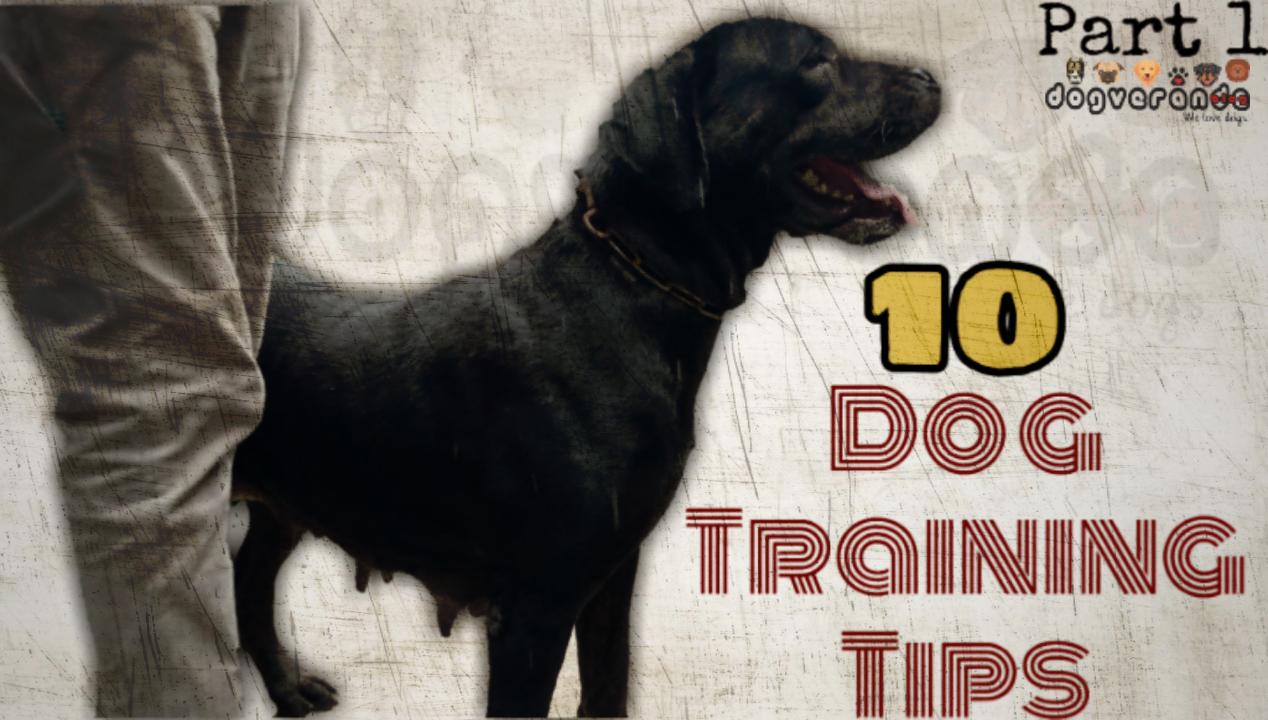
Dog Training Tips - Part One


Here are 10 dog training tips every dog owner ought to know.


1. EARLIER TRAINING. 
Immediately you get a dog, you should begin training in some capacity. It may take some time to catch up if you should start training late. The key to remember is that training is often nothing more than reversing bad habits and behaviors. If you have a young dog, they haven’t had a chance to develop a significant number of these bad behaviors then training will be much easier. If you have an older dog, you really have to unteach, everything the dog knows about behavior and start to reteach behaviors that you want.


2. FOCUS ON WHAT YOUR DOG IS DOING RIGHT. 
Professional dog trainers advice their students to reward their dogs when they do something right. This “positive training” method is in contrast to training that centers on punishment. Dog owners should praise and reward their dogs with treats, new toys or affection for good behavior instead of just scolding them for bad behavior.
 

3. BE PROACTIVE, KEEP YOUR DOG FROM
BEHAVING BADLY IN THE FIRST PLACE.
One of the most important tips that a professional dog trainer will tell his or her students is that good behavior is not just the responsibility of the dog. The owner must make every effort to avoid giving the dog the ability to engage in bad behavior while they are still learning the ropes. For example, if you notice that your dog likes to chew, it’s important to make sure that everyone in the home puts their shoes behind closed closet doors to remove temptation.
 

4. STOP SAYING NO!
One of the biggest mistakes that people make when training their dogs is saying NO without giving the dog an explanation of some type. Dogs, much like children, will become confused with a simple command of NO! Here’s what you should do instead. If your dog is stealing the cat’s food, tell him NO and then gently guide him to his own food dish. Or, if your dog is chewing on a table leg tell him NO and give him rawhide or another toy on which he can chew. Once your dog begins to actually use the new behavior, reward him with treats, toys and praise.

5. BE KIND AND GENTLE FOR BEST RESULTS. 
If you're a dog owner who constantly punishes his or her dog for bad behaviors is bound to be a lot less successful than an owner who is gentle and kind, rewarding his or her dog for acceptable behaviors. Consider offering your dog plenty of praise, and be gentle when redirecting his attention from a bad behavior to one that is more acceptable to you.

6. USE THE ONE COMMAND RULE. 
Only give your dog each command at a time. If you want your dog to come, tell him COME! if you want him to sit, just say SIT! If your dog decides to ignore the command the first time, gently place him into the sit position and then praise him or give him a treat. Do this with every command, so that your dog doesn’t think that your commands are optional. Stick to the one command rule, and your dog will quickly learn to take your commands seriously.

7. ALWAYS ENFORCE YOUR COMMANDS.
If you give commands, but do not enforce them, your dog will learn that there is no reason to listen to you. On the other hand, if you back up your commands with reinforcement he will quickly learn that you mean business. For example, if you tell your dog to sit and he ignores you, gently push him into the desired position and praise him. Always praise good behavior as a means of enforcing your commands.

8. CLEARLY DEFINE YOUR COMMANDS. 
If you expect your dog to follow commands, then it is imperative that he understands what it is that you want him to do. For example, if you are trying to teach him to sit you will only confuse him if one time you use the command SIT and the next time SIT DOWN. If he’s confused he’ll most likely just ignore you. And this can lead to a vicious cycle. So, pay attention to the commands you are teaching and don’t confuse your dog by being inconsistent.
 
9. TEACH YOUR DOG TO READ YOUR TONE. Tone is just as important as the actual command that you are giving. Therefore, try to always use a consistent tone when issuing a command. Yelling a command will be less effective than just using a firm and authoritative tone. Pick a tone, and stick with it. Your dog will begin to recognize that tone, and respond to what you are telling him more effectively.

10.  ANALYZE STUBBORNNESS.
If you find that your dog is stubborn and does not want to listen to your commands, there may be a simple explanation. Look for signs to see whether you are giving commands that your dog understands, whether your dog knows what to do when they hear a certain command and whether the command is creating an uncomfortable feeling in your dog. Most likely, you need to simply repeat training for a specific command and make your dog feel more comfortable through rewards and praise.


Stay connected, on our next Dog training tips article...

Quote Of The Day


"I DON’T ALWAYS BARK AT NIGHT. BUT WHEN I DO, IT’S FOR NO REASON."