Pet Grooming at Golden's Care Center

Bathing, brushing, trimming and loving care. TAP TO BOOK NOW! →

Before Grooming – The Starting Point

Every makeover begins with gentle handling and proper coat care. BOOK NOW! →

After Grooming – Fresh, Clean & Fluffy

See the transformation! Book your dog's grooming appointment now! TAP TO BOOK NOW! →

Boarding • Daycare • Grooming & More

A caring home away from home for your dog in Port Harcourt. Contact us on WhatsApp. Chat on WhatsApp →

We Pick Up & Drop Off Your Dogs

Convenient, safe and reliable pet transport. Arrange your dog's pickup on WhatsApp. Chat on WhatsApp →

Showing posts with label Dog behaviour. Show all posts

Thursday, November 14, 2019

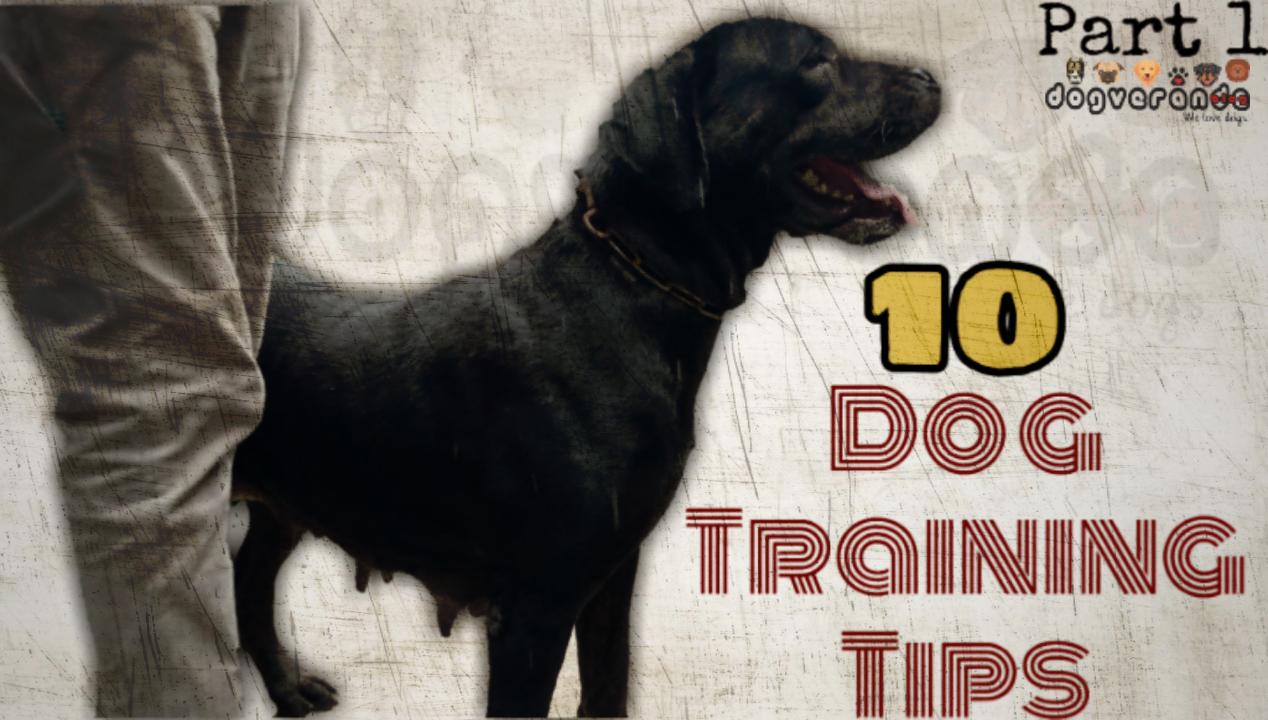
Dog Training Tips - Part One


Here are 10 dog training tips every dog owner ought to know.


1. EARLIER TRAINING. 
Immediately you get a dog, you should begin training in some capacity. It may take some time to catch up if you should start training late. The key to remember is that training is often nothing more than reversing bad habits and behaviors. If you have a young dog, they haven’t had a chance to develop a significant number of these bad behaviors then training will be much easier. If you have an older dog, you really have to unteach, everything the dog knows about behavior and start to reteach behaviors that you want.


2. FOCUS ON WHAT YOUR DOG IS DOING RIGHT. 
Professional dog trainers advice their students to reward their dogs when they do something right. This “positive training” method is in contrast to training that centers on punishment. Dog owners should praise and reward their dogs with treats, new toys or affection for good behavior instead of just scolding them for bad behavior.
 

3. BE PROACTIVE, KEEP YOUR DOG FROM
BEHAVING BADLY IN THE FIRST PLACE.
One of the most important tips that a professional dog trainer will tell his or her students is that good behavior is not just the responsibility of the dog. The owner must make every effort to avoid giving the dog the ability to engage in bad behavior while they are still learning the ropes. For example, if you notice that your dog likes to chew, it’s important to make sure that everyone in the home puts their shoes behind closed closet doors to remove temptation.
 

4. STOP SAYING NO!
One of the biggest mistakes that people make when training their dogs is saying NO without giving the dog an explanation of some type. Dogs, much like children, will become confused with a simple command of NO! Here’s what you should do instead. If your dog is stealing the cat’s food, tell him NO and then gently guide him to his own food dish. Or, if your dog is chewing on a table leg tell him NO and give him rawhide or another toy on which he can chew. Once your dog begins to actually use the new behavior, reward him with treats, toys and praise.

5. BE KIND AND GENTLE FOR BEST RESULTS. 
If you're a dog owner who constantly punishes his or her dog for bad behaviors is bound to be a lot less successful than an owner who is gentle and kind, rewarding his or her dog for acceptable behaviors. Consider offering your dog plenty of praise, and be gentle when redirecting his attention from a bad behavior to one that is more acceptable to you.

6. USE THE ONE COMMAND RULE. 
Only give your dog each command at a time. If you want your dog to come, tell him COME! if you want him to sit, just say SIT! If your dog decides to ignore the command the first time, gently place him into the sit position and then praise him or give him a treat. Do this with every command, so that your dog doesn’t think that your commands are optional. Stick to the one command rule, and your dog will quickly learn to take your commands seriously.

7. ALWAYS ENFORCE YOUR COMMANDS.
If you give commands, but do not enforce them, your dog will learn that there is no reason to listen to you. On the other hand, if you back up your commands with reinforcement he will quickly learn that you mean business. For example, if you tell your dog to sit and he ignores you, gently push him into the desired position and praise him. Always praise good behavior as a means of enforcing your commands.

8. CLEARLY DEFINE YOUR COMMANDS. 
If you expect your dog to follow commands, then it is imperative that he understands what it is that you want him to do. For example, if you are trying to teach him to sit you will only confuse him if one time you use the command SIT and the next time SIT DOWN. If he’s confused he’ll most likely just ignore you. And this can lead to a vicious cycle. So, pay attention to the commands you are teaching and don’t confuse your dog by being inconsistent.
 
9. TEACH YOUR DOG TO READ YOUR TONE. Tone is just as important as the actual command that you are giving. Therefore, try to always use a consistent tone when issuing a command. Yelling a command will be less effective than just using a firm and authoritative tone. Pick a tone, and stick with it. Your dog will begin to recognize that tone, and respond to what you are telling him more effectively.

10.  ANALYZE STUBBORNNESS.
If you find that your dog is stubborn and does not want to listen to your commands, there may be a simple explanation. Look for signs to see whether you are giving commands that your dog understands, whether your dog knows what to do when they hear a certain command and whether the command is creating an uncomfortable feeling in your dog. Most likely, you need to simply repeat training for a specific command and make your dog feel more comfortable through rewards and praise.


Stay connected, on our next Dog training tips article...

Tuesday, June 18, 2019

10 Things You Do Your Dog Hates.

Dogs often tolerate human behavior because they are loyal and easygoing. However, there may be some things that you or others do that your dog secretly hates.

1. LONG EYE CONTACT!

Staring at your dog for too long is a no, no – especially, with strange dogs! Eye contact between dogs is the way by which they set their roles and dominance within the pack. At often times, eye contact turns fatal – be it a dogfight for position or simply connoting aggression! Therefore, eye contact may confuse your dog! Although, they will tolerate you as an owner, do not practice it often! When it comes to strange dogs, remind yourself to avoid it altogether as you never know what kind of reaction you might trigger!

2. HUGGING YOUR DOG
Hugging is the best way for us humans to express love and gratitude in-between each other.

Many dogs do not enjoy hugs, especially from strangers. Placing your arms around a dog's neck or body may be perceived as a threat. Most dogs tolerate gentle hugs from trusted humans, but that doesn't mean they actually like them.
A better alternative is to let the dog cuddle on his own terms and pet him along the back and on the chest (especially if you don't know the dog well). Of course, some dogs do love to be hugged. It's important that you know your own dog and understand his limits. Pay attention to his body language to help you understand how he is feeling when you hug him. If he leans away, averts his eyes, yawns, licks his lips, has a worried look, or shows other appeasement gestures, he's probably uncomfortable.

3. USING WORDS MORE THAN BODY LANGUAGE
Did you know dogs are the experts at reading our thoughts and feelings before we even organize and express them?

 The best method of communicating with your dog is by adjusting your body language and posture before pronouncing a single word! Coordinate your words with your posture, otherwise, you may be sending mixed signals to your dog! Instead of understanding your command, you rather confuse the dog and make them act even worse than in the beginning!
Try practicing body language for a full day, by not speaking a word when communicating with your dog! See if they understand you better!


4. PETTING DOGS ON THE HEAD

Petting your dog's face or patting her on her head is another wrong way of showing affection towards them! Although most dogs do like it, it may seem natural, it is one form of interaction that brings uncomfortable feelings in dogs! Dogs will be dogs, they are not babies – keep in mind!


5.  NO SNIFFING AND EXPLORING ON WALKS(outing).


Dogs like going on walks for more than just the exercise. Taking a walk outdoors gives your dog a chance to explore the world. Your dog explores the world primarily through scent, then with his other senses (whereas most humans explore the world first through sight). Rushing your dog through a walk without allowing him to stop and sniff (and mark) is unkind. If you think about it, it's like someone dragging you by the arm through your favorite shop without allowing you to stop and look at anything. If it happens all the time, that would be pretty frustrating, wouldn't it? So next time you walk your dog, give him plenty of time to explore his environment.

6. Lack of Routine and Rules

Most dogs may not seem to like it, but dogs needs rules. If your dog is acting out, it's probably because you have not taught him the rules. Training is an important part of providing structure in your dog's life. A routine is important because your dog has an internal clock. Try to feed your dog at the same time each day. Establish an exercise routine too if possible. After a few days of structured rules and routine, you will probably notice that your dog is happier. Routines and rules make your dog's world more predictable and can actually boost his confidence.


7. DRESSING THEM UP

Most dogs will tolerate outfits or costumes, but many don't enjoy them. Get to know your dog before you force him into a bunny costume! Some dogs are fine with simple clothing items like shirts, but loathe wearing things on their heads or feet. How important is it that you dress up your dog anyway? If your dog needs protection from the cold, start with small, lightweight items and associate them with treats or other rewards. Work your way up to sweaters, jackets, and booties. Watch your dog's body language to determine when he has had enough.


8. HARD/STRONG FRANGRANCES

Did you know your dog's sense of smell is about 10,000 to 100,000 times more sensitive than yours?

 In general, dogs enjoy taking in all types of scents and odors. However, strong fragrances and chemicals can bother dogs and even irritate their noses.
As a rule, it's best to avoid directly spraying your dog with anything. If your dog needs a medical spray applied, avoid his face (better yet, spray the medication on a cloth and apply it to him that way). When you use your own products (perfume, hairspray, air fresheners, cleaners, etc.) do so away from your dog and make sure the product is not toxic.

9. KEEPING A TIGHT LEASH

By keeping a tight leash on a dog, you’re raising the level of stress, frustration, and excitement for your dog. 

This is why it is so important to teach a dog how to walk on a slack leash.

An amazing amount of energy is transferred between you and your dog through that little strip of canvas or leather. By keeping a loose leash, you’re letting your dog know that everything is fine and dandy, that there’s no reason to be worried or tense. With a slack leash you’re saying to your dog that you are calm and have everything under control so your dog is free to be calm as well. On the other hand, by keeping a tight leash you’re sending a message to your dog that you’re tense, nervous, on alert, ready to fight or fly, and your dog responds in kind. Just as you don’t like your dog pulling you around, it doesn’t feel good to your dog to constantly be pulled and thus cued to be on alert. They’re also well-aware that they can’t get away from you even if they think they need to. A dog that walks on a tight leash is more apt to bark or be reactive in even the most mild of social situations. But a dog that can walk on a slack leash is more likely to be calm. This is a difficult thing to master, and something the majority of dog owners can commiserate about, but it is so important to having pleasant walks with a relaxed dog.

10. TENSE AND BORED MOOD

We never enjoy been Tensed or Bored – dogs likewise! If you notice your dog seeming bored or tense, just make sure you check with yourself first as your dog is mostly mirroring your feelings! Having busy schedules, when you're supposed to relax. Spend as much time as possible with your dog when you're free at home. Take the time to bond with your dog. Set a daily routine, providing plenty of exercise and mental stimulation. If you travel frequently, find a trusted pet sitter with whom your dog is comfortable. If you travel constantly, consider whether or not it's fair to even have a dog.